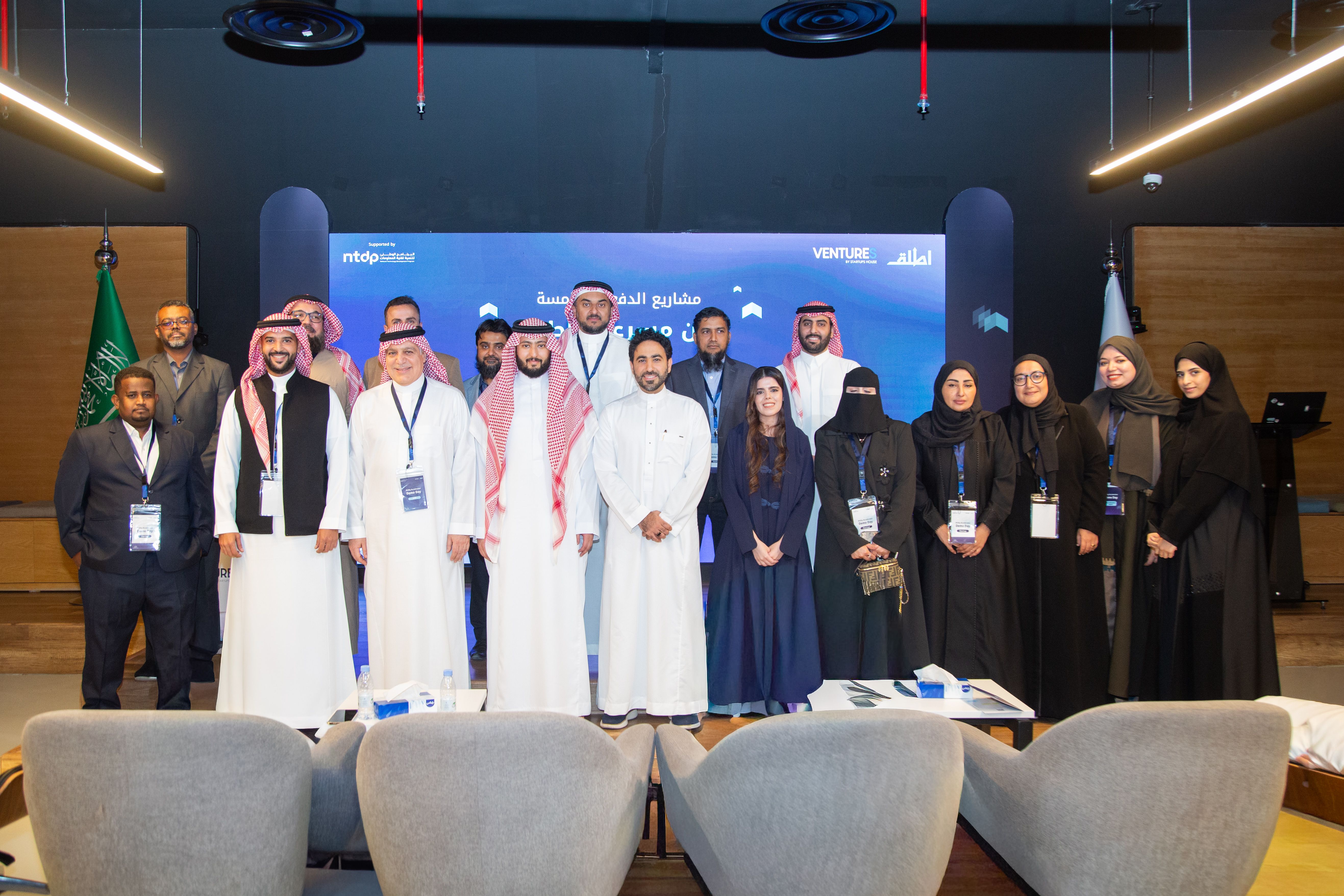
How Attliq Accelerator Is Empowering Early-Stage Startups in Saudi Arabia?
Saudi Arabia’s startup ecosystem has experienced remarkable growth in recent years. With increased government support, expanding venture capital activity, and a new generation of ambitious entrepreneurs, the Kingdom is rapidly becoming one of the region’s leading innovation hubs.
Yet despite this progress, one challenge remains consistent across emerging ecosystems: helping founders navigate the difficult journey from an idea to an investment-ready business.
To learn more about how this challenge is being addressed, StartupBlink spoke with Bahar Bin Mohammed AlHarbi, Founder and CEO of Startups House, about the organization’s mission, the Attliq Accelerator, and its collaboration with NTDP through the Empowering Accelerators initiative. In this conversation, he shares insights into what makes successful founders, why coachability matters more than technical skills, and how Saudi Arabia is building a stronger entrepreneurial ecosystem.
What first inspired you to support technology founders in Saudi Arabia?
My background is actually in finance and investments. Before founding Startups House, I spent several years working in that field, but I wanted to move into something where we could create a more meaningful impact. We established Startups House in 2017 with a relatively small team and limited resources, but we had one clear conviction: Saudi Arabia has exceptional entrepreneurial talent. We saw founders with strong ideas and ambitious visions, yet many of them lacked integrated support during the earliest stages of building their companies.
Those first stages are often the most difficult. While there is now a healthy venture capital market supporting seed and post-seed companies, pre-seed founders still need much more structured guidance and support. Compared to more mature startup ecosystems, Saudi Arabia still has relatively few accelerators focused on this stage.
That was the opportunity we wanted to address.
As our organization evolved, we also evolved our accelerator. Initially, our programs focused primarily on mentorship and training, but over time we established an early-stage investment fund that allows us to invest directly in startups graduating from our accelerator.
Tell us about your collaboration with NTDP and the Attliq Accelerator.
Our relationship with NTDP comes through the Empowering Accelerators initiative. Startups House operates the Attliq Accelerator, while NTDP supports the accelerator itself through this initiative. Their support helped us strengthen the accelerator by enabling us to introduce an investment component alongside the traditional acceleration program.
This collaboration is particularly meaningful because we became one of the first local Saudi accelerator operators to partner with NTDP in this way. Previously, similar collaborations had largely focused on international accelerator programs entering the Saudi market.
Through this partnership, we were able to transform Attliq from a mentorship-focused accelerator into one that also invests in startups. That changes the entire dynamic of the program because founders receive not only education and guidance, but also the capital they need to continue growing. We believe this model creates significantly more value for entrepreneurs.
Saudi Arabia has become an increasingly attractive destination for entrepreneurs. What qualities stand out among founders building businesses in the Kingdom?
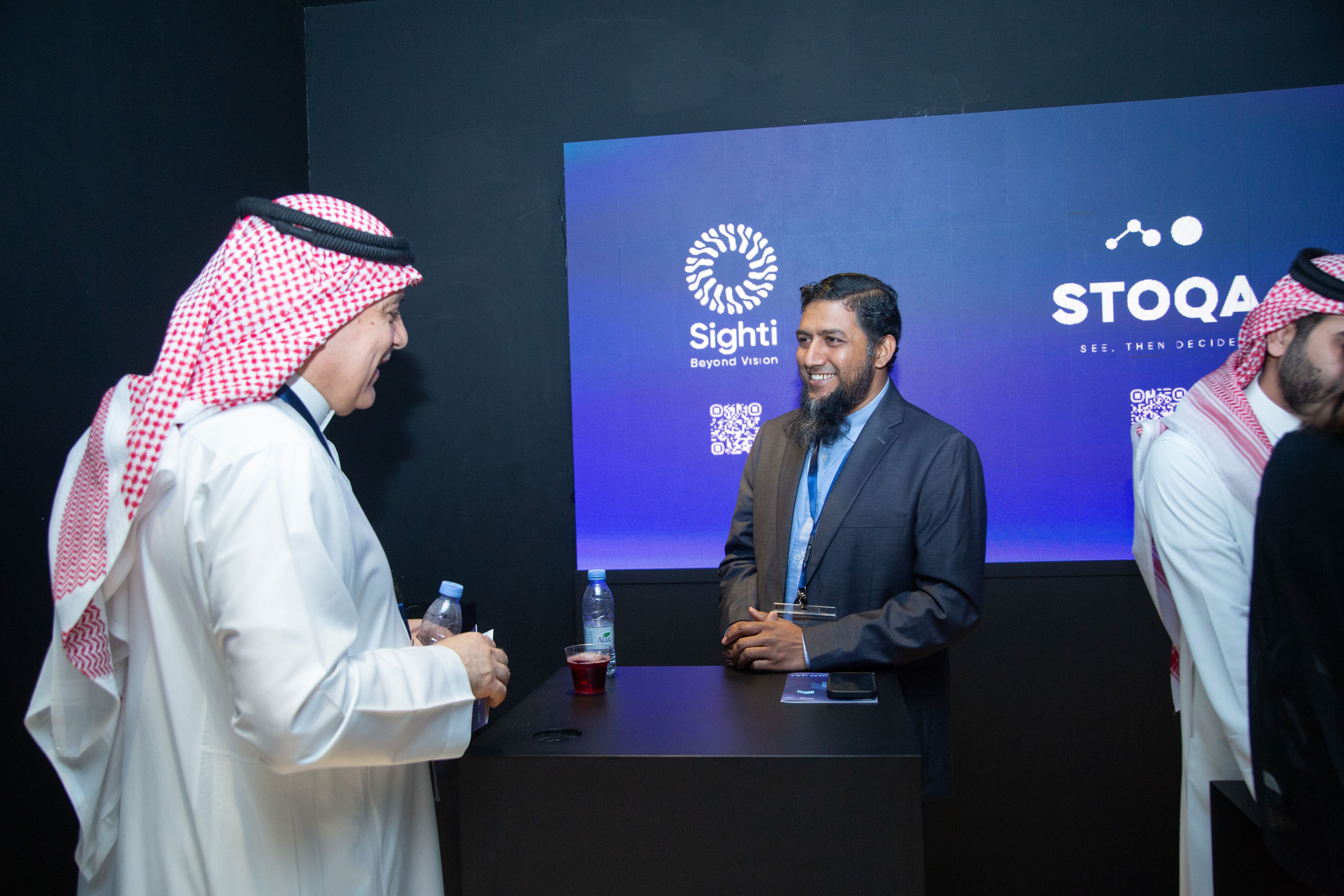
One thing worth mentioning is that our ecosystem is becoming increasingly international. Although Attliq is based in Saudi Arabia, our founders are not exclusively Saudi. In one recent cohort, we invested in companies founded by entrepreneurs from Saudi Arabia, Egypt, Jordan, Sudan, and Pakistan. That diversity is extremely important because strong startup ecosystems are rarely built by one nationality alone. If you look at successful ecosystems around the world, they attract talented founders from different countries who all contribute to innovation.
Beyond that, I believe entrepreneurs in Saudi Arabia and the wider region share several important characteristics.
The first is that our region has a long history of commerce and entrepreneurship. Trade has always been part of our culture, so building businesses comes naturally to many people. Second, today’s generation is digitally native. Internet penetration is high, smartphone adoption is widespread, and founders now have access to technologies that simply didn’t exist a few years ago. This makes it much easier to validate ideas quickly and build products faster.
Finally, I would highlight resilience.
The founders we work with genuinely want to solve meaningful problems. They identify challenges in the market, build practical solutions, and continue improving those solutions even when things become difficult. Perhaps one of Saudi Arabia’s greatest strengths today is that entrepreneurs can validate products within the local market before expanding internationally. The domestic market itself provides excellent opportunities for testing ideas and achieving early traction.
Mentorship is often described as one of the most valuable aspects of an accelerator. How do you approach it?
For us, mentorship is about relevance rather than quantity. We deliberately work with mentors who have actually built companies themselves or who possess deep expertise in the specific industries where our startups operate.
There’s a significant difference between someone who teaches entrepreneurship and someone who has personally experienced building, scaling, fundraising, and overcoming the challenges that founders face every day.
Founders benefit much more from practical experience than from theory alone. Equally important is access to networks.
Experienced founders and operators naturally introduce entrepreneurs to investors, strategic partners, customers, and advisors. Those introductions often become just as valuable as the mentoring itself.
How does Attliq help founders transform early ideas into investment-ready companies?
One principle we strongly believe in is that support shouldn’t end when the accelerator finishes. Many accelerators provide training and mentorship before organizing a demo day, but after graduation founders are largely on their own.
We wanted to build something different.
Through our early-stage investment fund, we invest directly in promising startups before introducing them to the wider investment community.
This creates an important signal for venture capital firms because it demonstrates that we have already evaluated the startup thoroughly and have confidence in its potential.
In other words, we don’t simply recommend these companies, we invest alongside them. Having that alignment is important because it shows we genuinely believe in the founders we’re supporting.
Looking across your portfolio, what qualities do the most successful founders have in common?
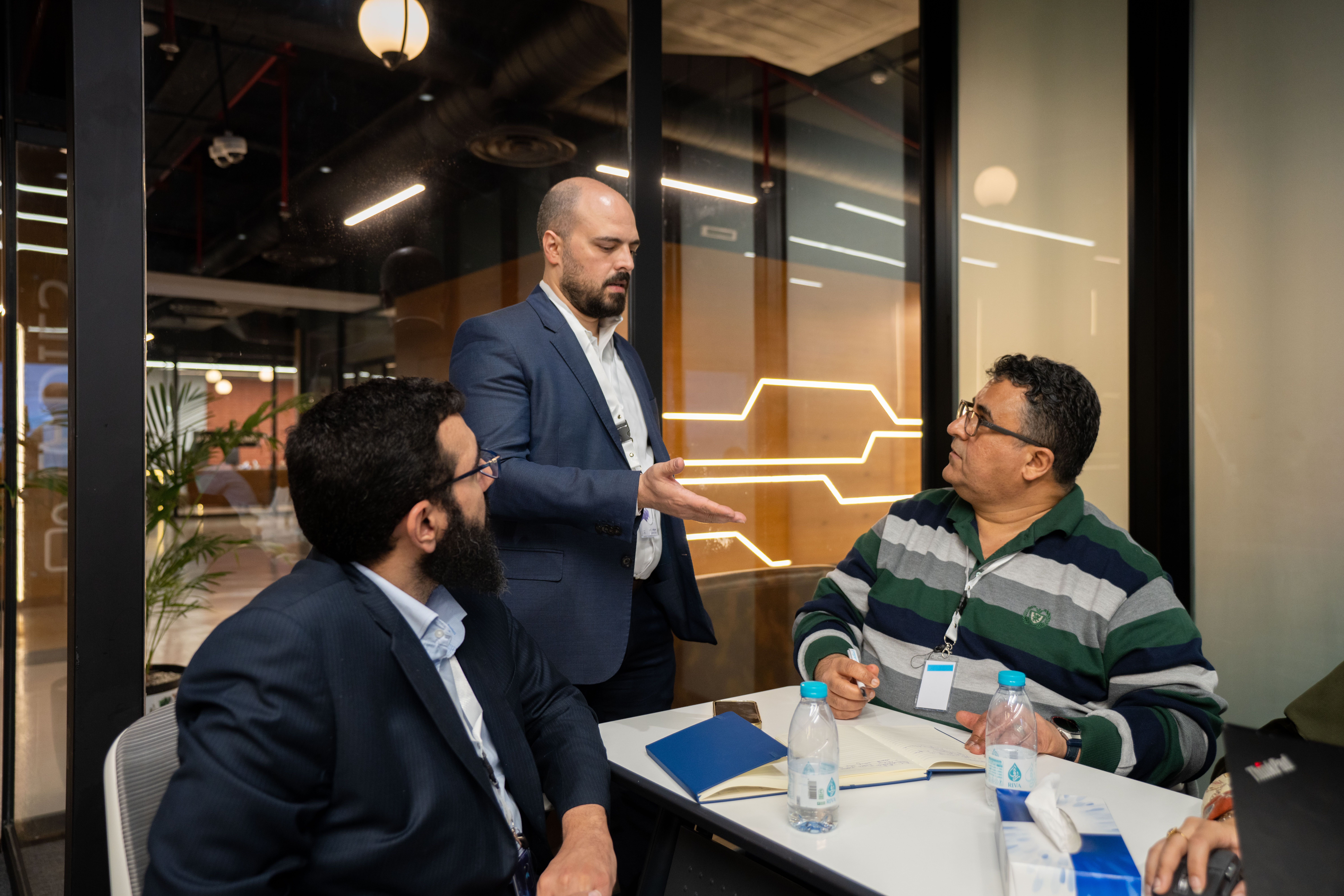
Without hesitation, I would say coachability. Coachability doesn’t mean founders simply follow every piece of advice they receive. Rather, it means they are open to learning, willing to challenge their own assumptions, and capable of adapting when new information becomes available.
If someone is unwilling to listen or adjust, it becomes very difficult for them to grow.
Technical skills can always be learned.
Leadership skills improve through experience.
Even product development has become much more accessible thanks to modern AI tools.
But coachability is fundamentally a mindset. As investors and accelerator operators, we often work with founders for seven to ten years. Building that kind of long-term relationship requires trust, openness, and continuous learning. That’s why coachability is one of the first things we look for.
What advice would you give aspiring entrepreneurs who have bold ideas but don’t know where to begin?
The biggest mistake I see is founders believing they need investment before they can start. If someone constantly says, “I need funding before I begin,” they often never begin at all.
The strongest founders start with whatever resources they already have.
They build a simple version of their product.
They test it.
They gather feedback.
They create momentum.
Today, Saudi Arabia offers an impressive range of support programs depending on where founders are in their journey. If someone needs grant funding, there are programs designed specifically for that.
If they need help building an MVP, there are organizations that provide technical support.
If they’ve already demonstrated traction, investors become much more interested. Money follows progress.
Revenue attracts investors.
Traction attracts investors.
Ideas alone rarely do.
Another important point is understanding which support organizations are appropriate for your stage. An idea-stage founder shouldn’t expect a late-stage venture capital firm to invest. Every stage of entrepreneurship has different funding sources, different expectations, and different support mechanisms.
Finding the right program at the right time makes an enormous difference.
How can investment networks and guidance change the trajectory of an early-stage startup?
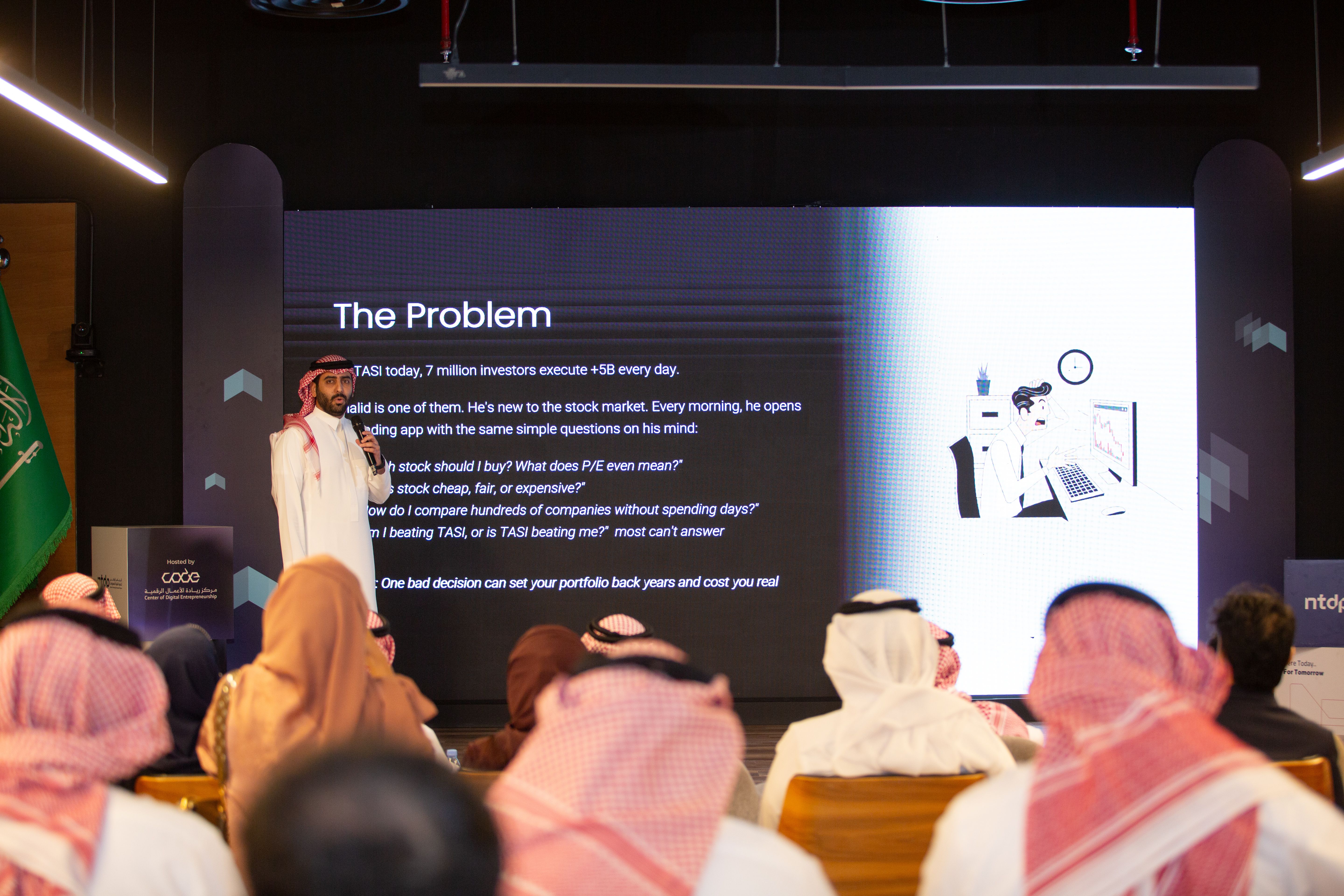
Every startup develops through distinct stages, and each stage requires different kinds of support. In the earliest stages, founders should focus on building products and validating their assumptions. As traction grows, they can begin connecting with angel investors and early-stage venture capital firms. One piece of advice I always give founders is not to approach investors by immediately asking for money.
Instead, build relationships first.
Allow investors to follow your progress over time.
Share updates.
Demonstrate growth.
When you’re eventually ready to raise capital, those investors already understand your business and your execution.
Warm introductions also make a tremendous difference.
Being introduced through an accelerator, mentor, or trusted founder is far more effective than sending cold emails.
Strong guidance helps founders meet the right investors at exactly the right stage of their journey.
How have programs like Attliq contributed to Saudi Arabia’s entrepreneurial culture?
The ecosystem has changed dramatically over the past decade.
Ten years ago, there were relatively few startup success stories, limited venture capital activity, and only a small number of support organizations.
Today, founders benefit from a much stronger support infrastructure.
Government initiatives have accelerated ecosystem development, and programs like NTDP’s Empowering Accelerators initiative are helping local accelerators evolve toward international standards.
At Attliq, our goal is to create a repeatable pathway that helps founders progress from idea stage to MVP, from MVP to investment, and ultimately from startup to scalable company.
We don’t simply want startups to graduate from our accelerator.
We want them to continue building sustainable businesses long after the program ends.
If you could leave entrepreneurs in Saudi Arabia with one message, what would it be?
Build something that solves a genuine problem.
Stay close to your customers because they’re ultimately the people who create your business.
Surround yourself with people who challenge you, support your growth, and encourage you to become better every day.
Most importantly, start.
Saudi Arabia has never provided more opportunities for entrepreneurs than it does today.
There is funding.
There are accelerators.
There are mentors.
There are investors.
The ecosystem is ready.
The next step belongs to the founders.
Conclusion
Saudi Arabia’s startup ecosystem is entering a new phase of maturity, where success is increasingly defined not only by access to capital but also by the quality of support founders receive in their earliest stages. As Bahar Bin Mohammed AlHarbi emphasizes, building successful startups requires more than great ideas, it demands resilience, coachability, strong networks, and the willingness to start before everything is perfect. Through initiatives like the Attliq Accelerator and its collaboration with NTDP under the Empowering Accelerators program, Startups House is helping bridge the critical gap between early-stage ambition and investment readiness. By combining hands-on mentorship with direct investment, the accelerator is creating a stronger pathway for founders to turn promising ideas into scalable businesses.
As Saudi Arabia continues to strengthen its innovation ecosystem, programs that invest not only in startups but also in the people behind them will play an increasingly important role in shaping the Kingdom’s next generation of entrepreneurs.
Want to Get in Touch?
Have something to share or explore within the ecosystem? Let us know how we can help — from adding events and opportunities to discussing partnerships or ideas.
This portal and contact form are fully operated by StartupBlink, the global platform supporting ecosystem growth worldwide.