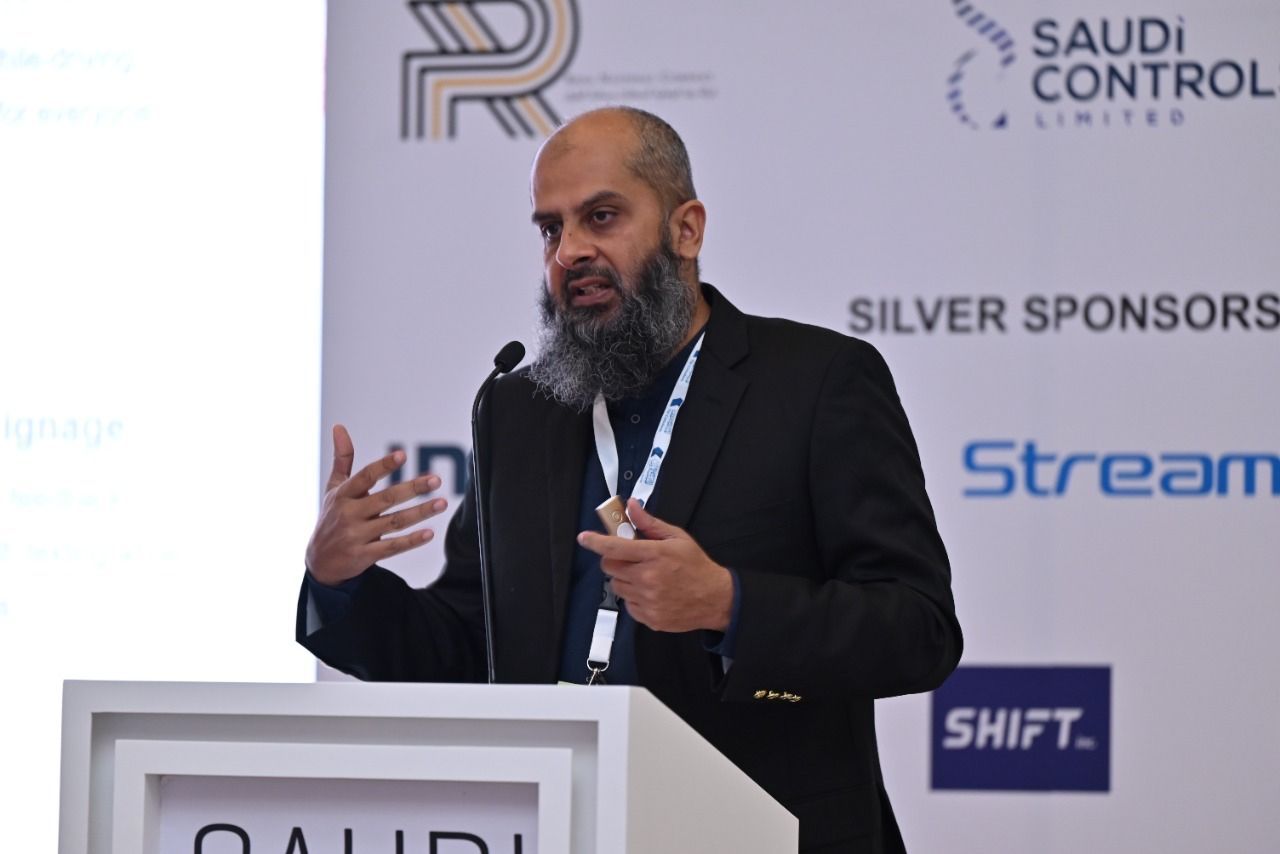
From Academia to AI-Powered Smart Cities: How Hazen.ai Is Building the Future of Smart Cities
We’re proud to present a new interview as part of our Saudi Startup Success Stories series, created in partnership with StartupBlink and the National Technology Development Program (NTDP). This series highlights visionary founders and operators who are building globally competitive companies while advancing Saudi Arabia’s smart city, AI, and deep-tech ecosystem.
This conversation features Sohaib Khan, Founder of Hazen.ai, a Saudi-based AI company transforming how cities monitor traffic, manage safety, and sense physical environments in real time. Sohaib’s entrepreneurial journey began not in traditional business, but in academia, where more than 15 years of experience in computer vision research laid the technical foundation for building intelligent urban infrastructure. Saudi Arabia’s rapidly evolving innovation ecosystem played a defining role in Hazen.ai’s growth. National programs such as NTDP provided early support, product development acceleration, and validation in a highly technical and hardware-intensive sector. Today, Hazen.ai is helping position Saudi Arabia as a global exporter of AI-powered smart city technology, delivering locally developed solutions with international impact.
Sohaib, can you tell us about your background and how Hazen.ai was born?
I spent nearly 15 years in academia as a professor working on computer vision research — supervising students, publishing papers, and teaching. When I moved to Saudi Arabia, I joined a university that actively encouraged researchers to commercialize their work and explore entrepreneurship.
Because my specialization is computer vision, we were already following developments in AI. At the same time, we realized something very simple: traffic is a daily problem for everyone, and is one of the biggest economic inefficiencies globally. Traffic related maladies are estimated to cost USD 4-6 trillion globally. Traffic monitoring, safety, and sensing systems still have major gaps. That’s when we saw an opportunity to apply AI research to real-world urban challenges and build solutions that can genuinely improve people’s lives. That vision became Hazen.ai.
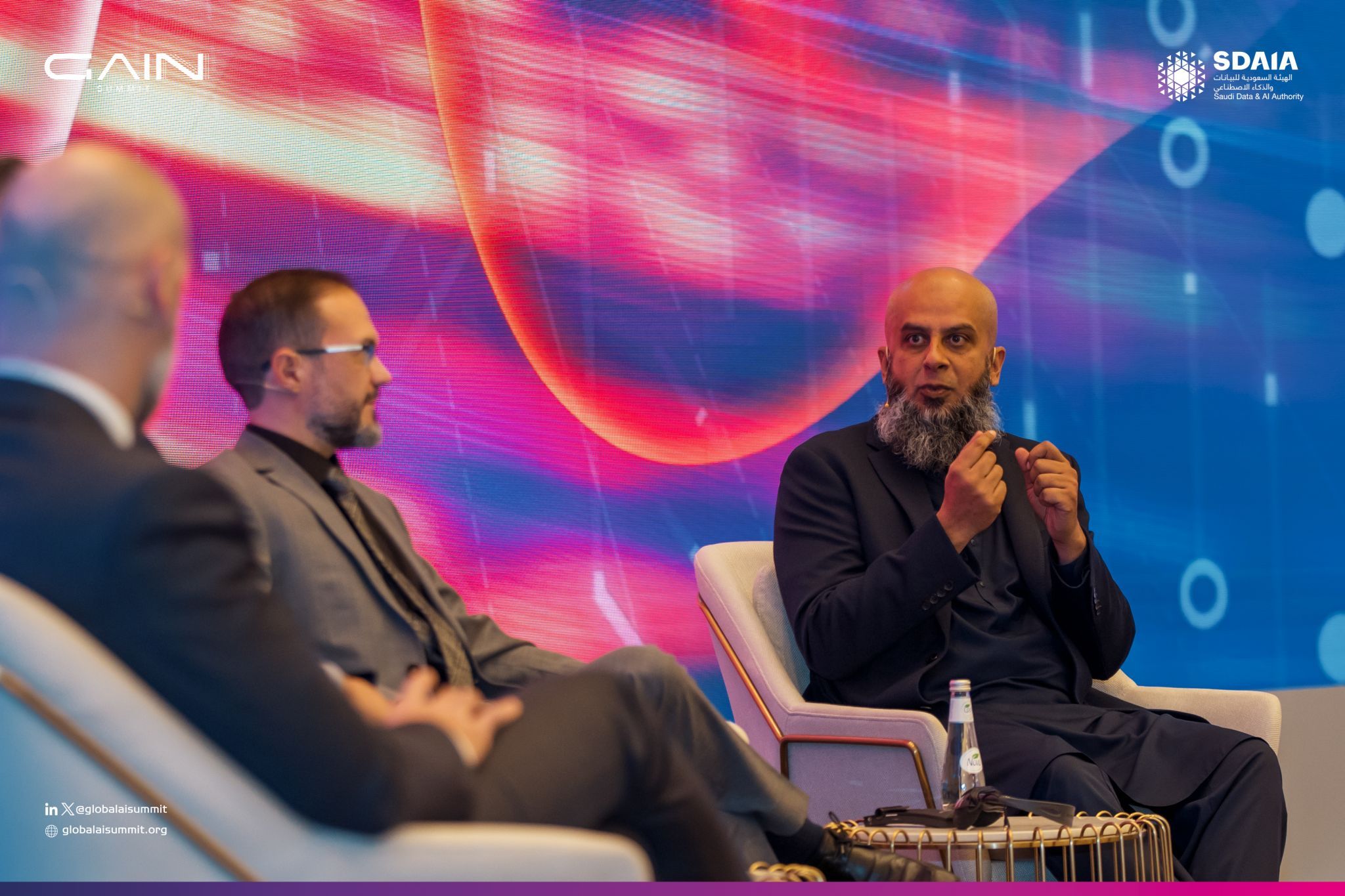
Did you find Hazen.ai alone or with co-founders?
I founded Hazen.ai with co-founders who also come from academic backgrounds. One of them was previously my student. Having a shared research mindset helped us align technically and strategically from the beginning.
What makes Saudi Arabia an attractive ecosystem for research-driven startups like Hazen.ai?
Academia is usually a very stable environment. You have structure and security, which makes it difficult to take entrepreneurial risks.
What’s unique about Saudi Arabia is that the ecosystem actively supported that transition. Universities here encourage side projects and commercialization. We also benefited from early-stage venture funding and government innovation programs.
One of the most impactful initiatives for Hazen.ai was NTDP. It played a major role in shaping our product and accelerating development. These programs significantly lower the barrier for researchers who want to move from theory to practice.
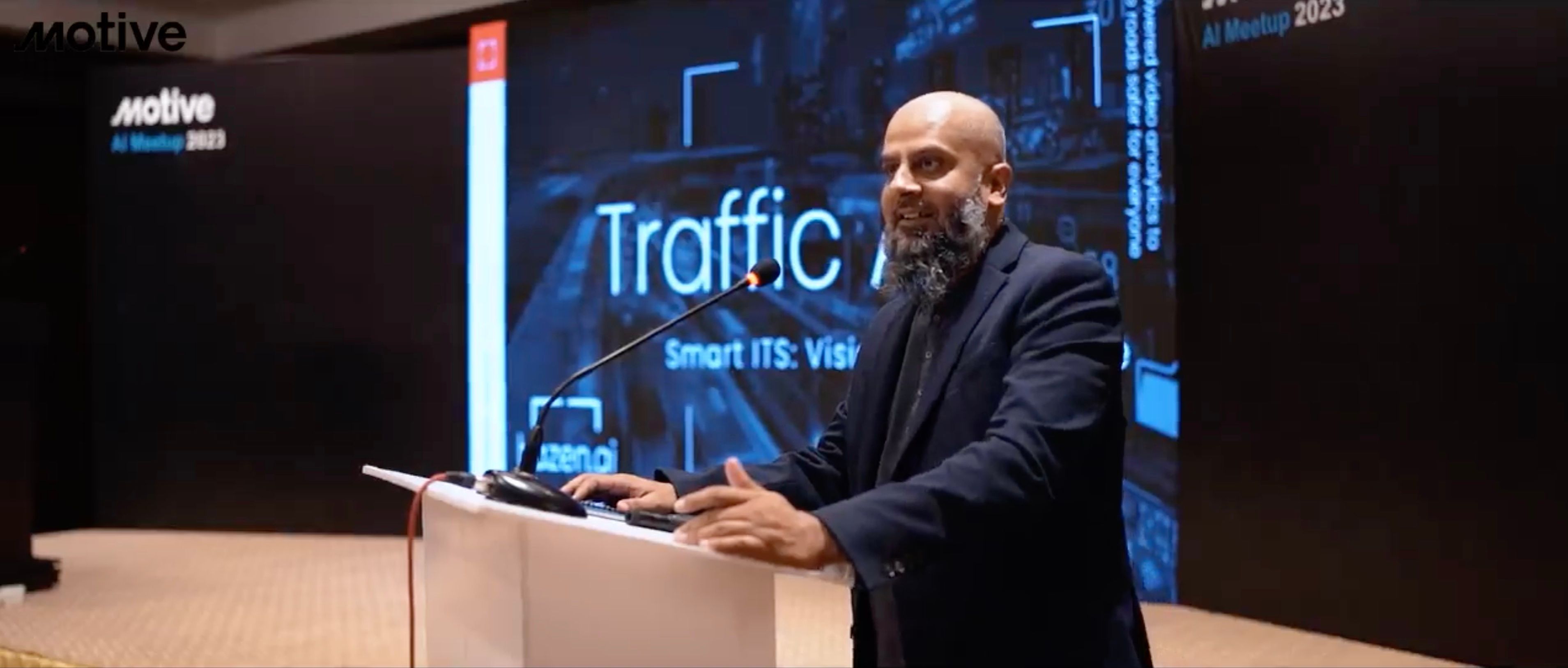
How did NTDP help Hazen.ai develop its AI camera product?
Originally, we were developing software that could work with any camera. Over time, we realized that existing hardware couldn’t fully support our vision. That’s when we made a bold decision — to build our own AI camera.
Hardware development is complex: design, certification, testing, and manufacturing. When NTDP launched a product development support program, the timing was perfect. We applied immediately.
Within one year, Hazen.ai built the full system, completed certifications, met all milestones, and launched our first AI camera. The program was administered through KAUST, and we were part of the first cohort. Without this support, our flagship product would not exist today.
What makes Hazen.ai’s technology different from traditional traffic monitoring systems?
We don’t see Hazen.ai as a camera company. We see ourselves as a solution provider.
The camera is actually a platform. Inside it runs advanced AI software powered by an NVIDIA GPU. Instead of deploying multiple hardware sensors for different tasks, one AI-powered device can perform multiple functions.
Think of it like a smartphone: one device, many applications. We’re building an ecosystem of applications on top of our camera for smart cities, traffic management, and urban sensing.
AI allows cities to replace fragmented hardware infrastructure with a unified intelligent system.
What milestone has been most transformative for Hazen.ai so far?
Launching our AI camera last year was a major turning point for Hazen.ai. It became the first AI traffic camera designed and manufactured in Saudi Arabia that meets local content requirements. Before that, we operated mainly as an enterprise software provider. After launching the camera, we unlocked new markets, construction sites, industrial zones, municipalities, and small enterprises. Now customers can simply install the camera and start collecting insights without complex infrastructure. That shift completely transformed our business model and growth potential.
Is Hazen.ai expanding internationally? Yes — and we started early. Our first real-world deployment was actually in the UK with a police force before we even installed our first unit in Saudi Arabia. Today, Hazen.ai is running trials in the UK, Qatar, Australia, and several other countries. . Even though the camera is not yet a year old, we have started closing orders from international clients. . From the beginning, we believed in building globally. It gives broader feedback, stronger validation, and better product development.
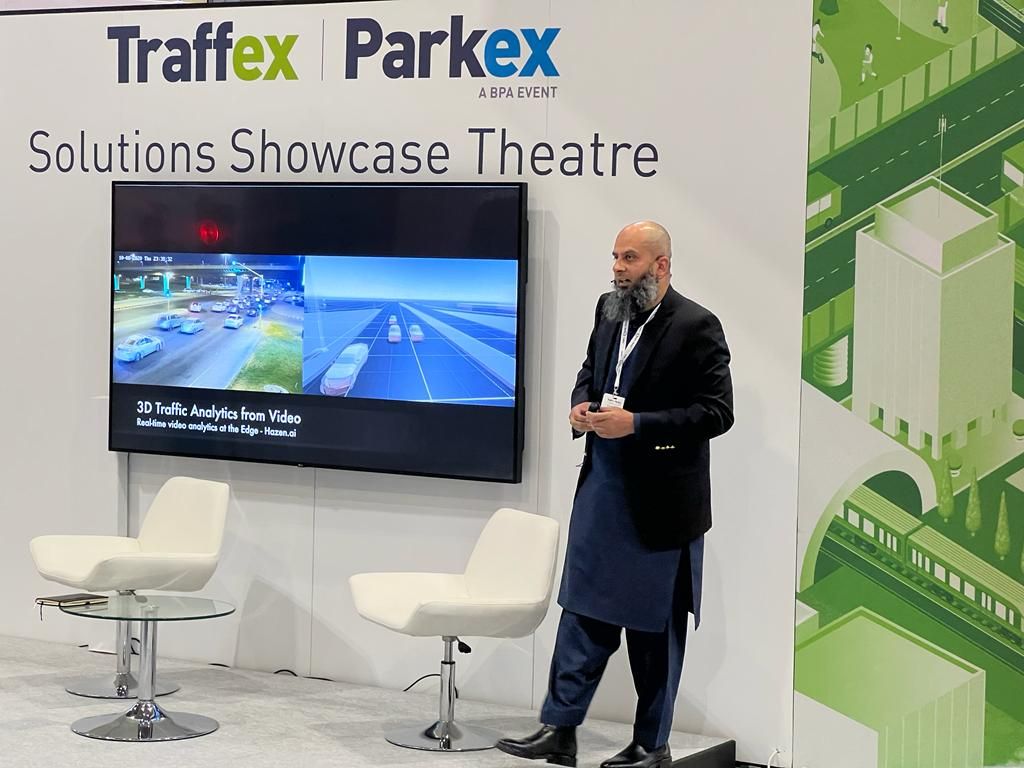
What excites you most about the future of AI? When I was doing my PhD, computer vision was not mainstream. The technology simply wasn’t mature enough to work reliably in products. Today, after decades of research, we’re seeing real breakthroughs. Machines can now interpret and understand physical environments. That opens massive opportunities — not just in traffic, but across healthcare, security, robotics, and smart infrastructure. There are still challenges ahead, but watching the journey from fringe academic research to real-world products is incredibly exciting.
What advice would you give to young AI entrepreneurs in Saudi Arabia? This is the best time in history to build. With modern AI tools, low-code platforms, and foundation models, people are no longer limited by technology — only by creativity.
The way startups are built is changing rapidly. You no longer need to be a traditional engineer to create meaningful digital products. Anyone with vision and determination can become a builder.
Saudi Arabia offers a supportive ecosystem, strong funding programs, and growing global relevance. It’s an ideal environment for innovation.
Final Thoughts
Sohaib Khan’s journey with Hazen.ai reflects a broader transformation happening across Saudi Arabia — where research, AI, and entrepreneurship are converging to create globally competitive technology companies.
As smart cities evolve and AI adoption accelerates, platforms that combine hardware, software, and real-time intelligence will define the next generation of urban infrastructure — and Hazen.ai is positioning itself at the forefront of this shift.
Want to Get in Touch?
Have something to share or explore within the ecosystem? Let us know how we can help — from adding events and opportunities to discussing partnerships or ideas.
This portal and contact form are fully operated by StartupBlink, the global platform supporting ecosystem growth worldwide.