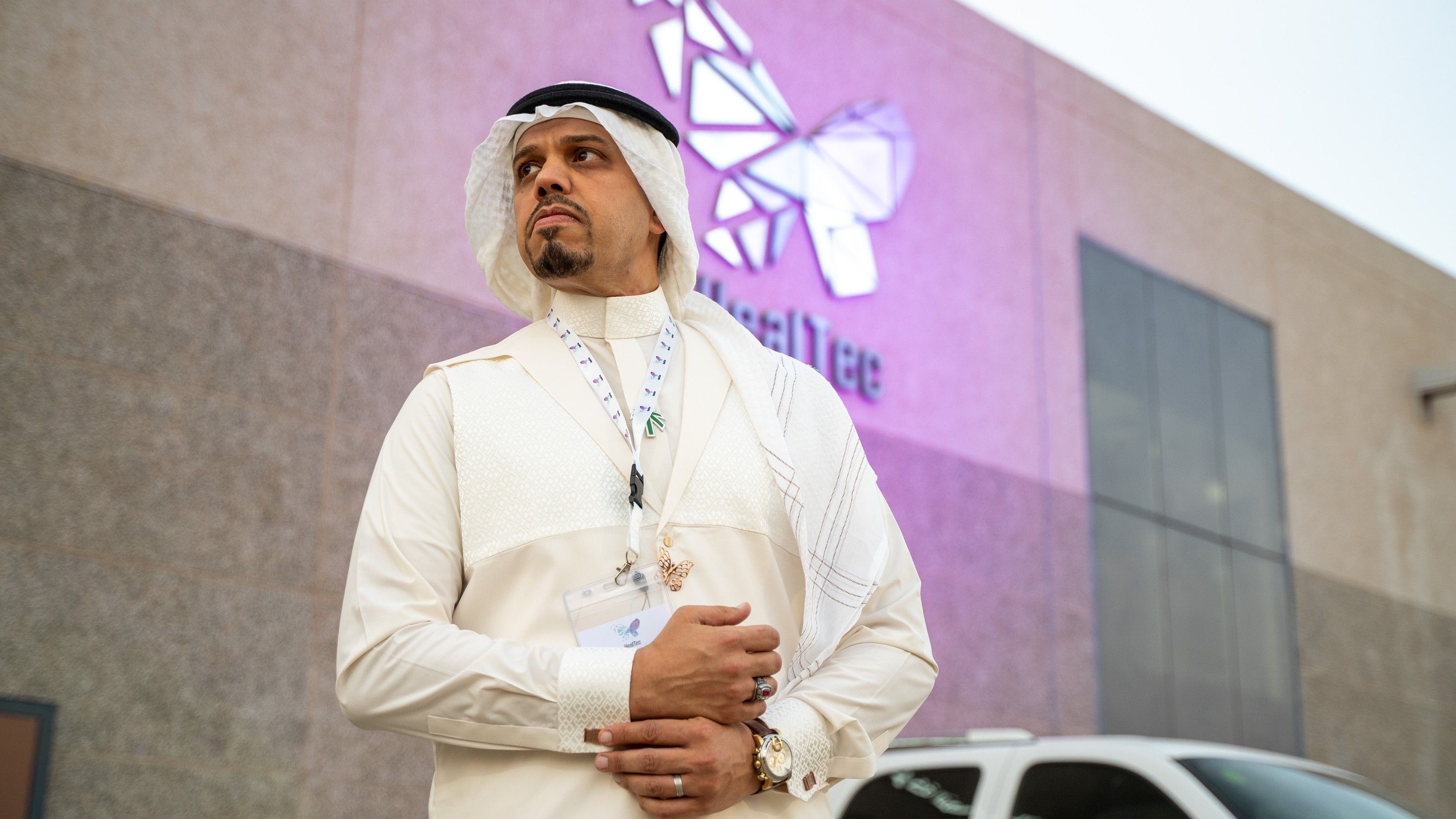
A Saudi Healthtech Success Story: HealTec and the Future of Prosthetics & Orthotics
We’re proud to present a new interview as part of our Saudi Startup Success Stories series, created in partnership with StartupBlink and the National Technology Development Program (NTDP). This series highlights visionary founders and operators who are building globally competitive companies while advancing Saudi Arabia’s health-tech and deep-tech landscape.
This conversation features Hashim AlZain, Co-Founder and Chief Technology Officer of HealTec, a Saudi health-tech company transforming how prosthetics and orthotics are designed, manufactured, and delivered. Hashim’s journey into healthcare innovation began not in medicine, but in advanced mechanical engineering, where more than two decades of experience in machine design, reverse engineering, and digitization laid the technical foundation for HealTec.
Saudi Arabia’s rapidly evolving healthcare ecosystem played a defining role in HealTec’s growth. National programs such as NTDP provided early credibility, validation, and momentum in a highly regulated sector, enabling the company to scale with confidence. Today, HealTec is contributing to Saudi Arabia’s standing of locally produced, globally impactful medical technologies.
How did the idea for HealTec first come to life, and what problem were you most driven to solve?
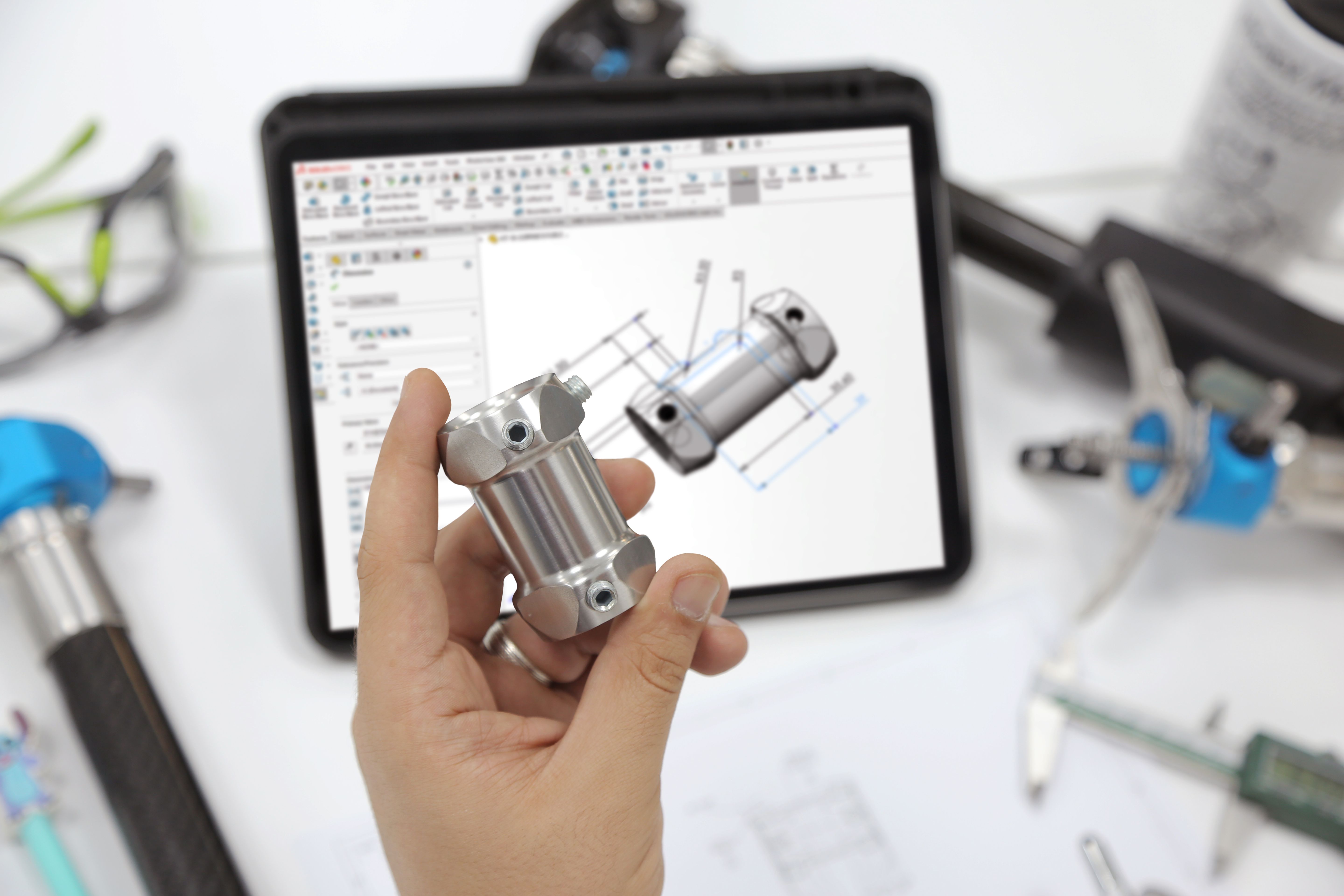
The genesis of HealTec was a natural evolution of technical synergy. It began when medical professionals recognized the digital transformation we achieved at DarTec Engineering, where we localized industrial spare parts using advanced 3D scanning and Digital Twin technology. We realized that this same approach could be applied to human health, specifically in custom-made orthotics. This realization was reinforced when people within my professional network began approaching us with ad hoc requests based on our capabilities in reverse engineering and digitizing mechanical objects. What initially started as occasional projects quickly revealed itself as an independent opportunity that required a standalone business focus.
My background as a mechanical engineer specialized in machine design and digitization—with over 23 years of experience in the industrial sector—made this transition possible. At my core, I am very strong in turning physical objects into digital models. However, healthcare demanded a different mindset. In industrial applications, I was often the primary problem-solver. In healthcare, I see myself as the sidekick rather than the superhero. Certified prosthetists and clinicians must always lead, while we support them by converting clinical and medical parameters into precise mechanical and manufacturing inputs. What drives us isn’t just manufacturing hardware; it is the ambition to build a holistic ecosystem. We are bridging the gap between clinical expertise and advanced manufacturing to streamline the patient journey. Our goal is to integrate multi-disciplinary insights to deliver high-quality, cost-effective Prosthetics and Orthotics (P&O), ultimately “Transforming Human Limitations into Endless Possibilities.”
What makes Saudi Arabia an attractive environment for building health tech startups today?
Saudi Arabia offers a rare combination of scale and malleability. While the market size is inherently massive, the most exciting factor is that the ecosystem is currently being reshaped by Vision 2030. This transition allows startups to not only participate in the market but to help define its future standards and infrastructure.
While other ecosystems were possible, the deciding factor was impact. Building HealTec in Saudi Arabia meant the potential contribution would be stronger and more meaningful, particularly given how rapidly the healthcare sector is growing.
How important have government-led initiatives and national innovation programs been in supporting your journey as a founder?
Government initiatives have been the essential catalyst for our momentum. Programs like NTDP’s NextEra initiative act as the “flywheel” that initiates movement in high-barrier industries.
One of the biggest challenges for founders in this space is access to working capital and credibility. When you are building something new, people don’t immediately believe in it. Being backed by a semi-government entity provides trust beyond the product itself—it signals that how you operate and who stands behind you matters.
NextEra helped position us not just as a trader or intermediary, but as a manufacturer and value creator. That distinction gave us both local and international credibility and allowed partners to see us as a long-term, trusted player.
Are there any R&D initiatives or upcoming innovations you’re excited about?
We are particularly inspired by a project involving international collaboration to develop a specialized “Prostrating Prayer Knee.” This innovation is designed specifically to allow above-knee amputees to perform prayer movements with the same ease and dignity as a non-amputee.
It represents the intersection of cutting-edge engineering and deep cultural empathy. Beyond biomechanics, it respects identity, spirituality, and daily lived experience—something we believe is essential in meaningful healthcare innovation.
What milestones are you most proud of achieving so far with HealTec?
Beyond technical certifications, awards, accolades, or production volume, the milestone that resonates most is the human impact.
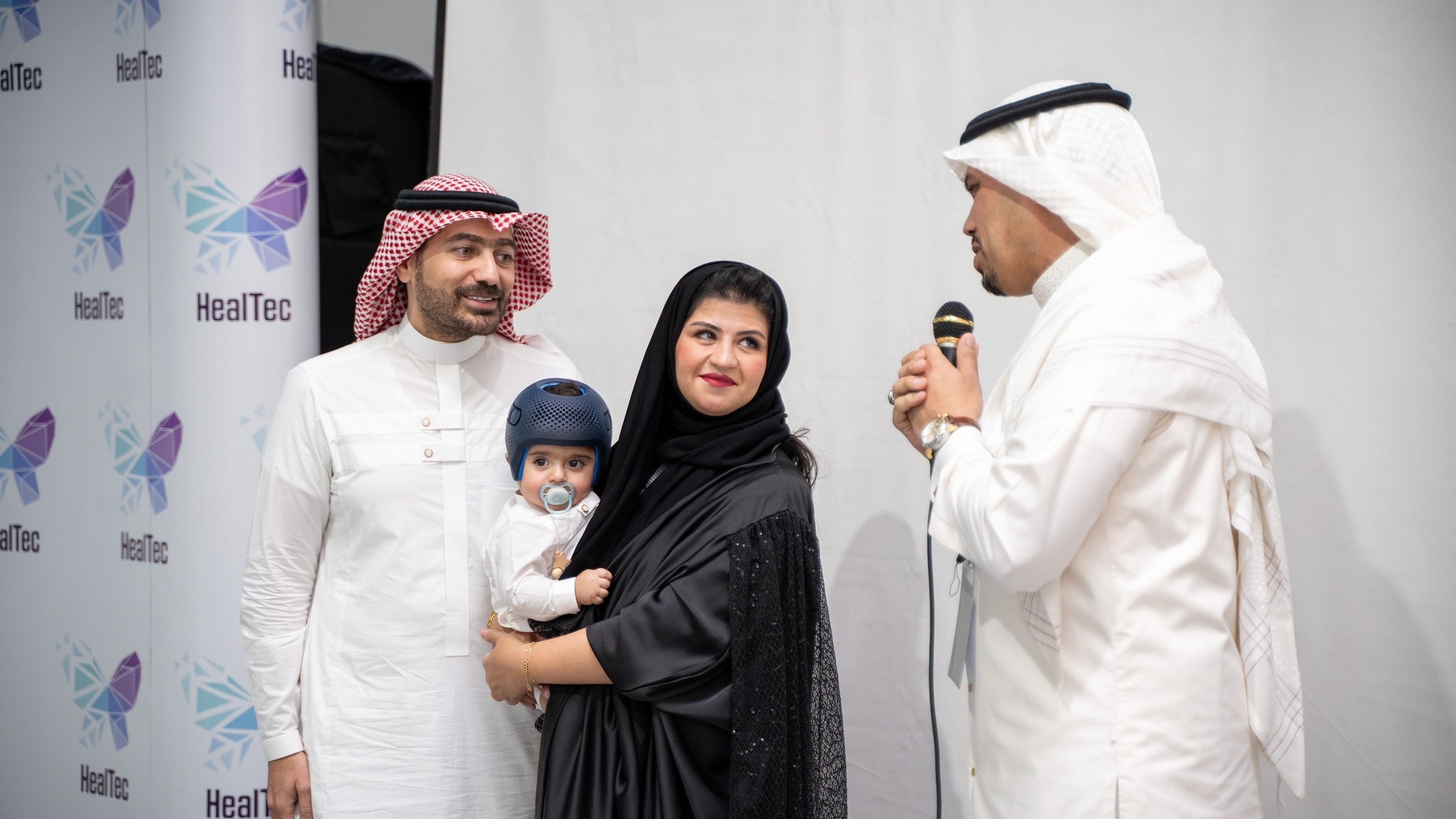
Seeing a child’s deformed head improve into a more rounded one or an elderly patient regain their independence is our true north. From a business perspective, we also recognize that prosthetics in Saudi Arabia have long approval lifecycles—nearly 85% of orders come through government channels—so progress must be measured through incremental milestones, not just short-term sales. Ultimately, the smiles of patients and families remain the most accurate KPI of our success.
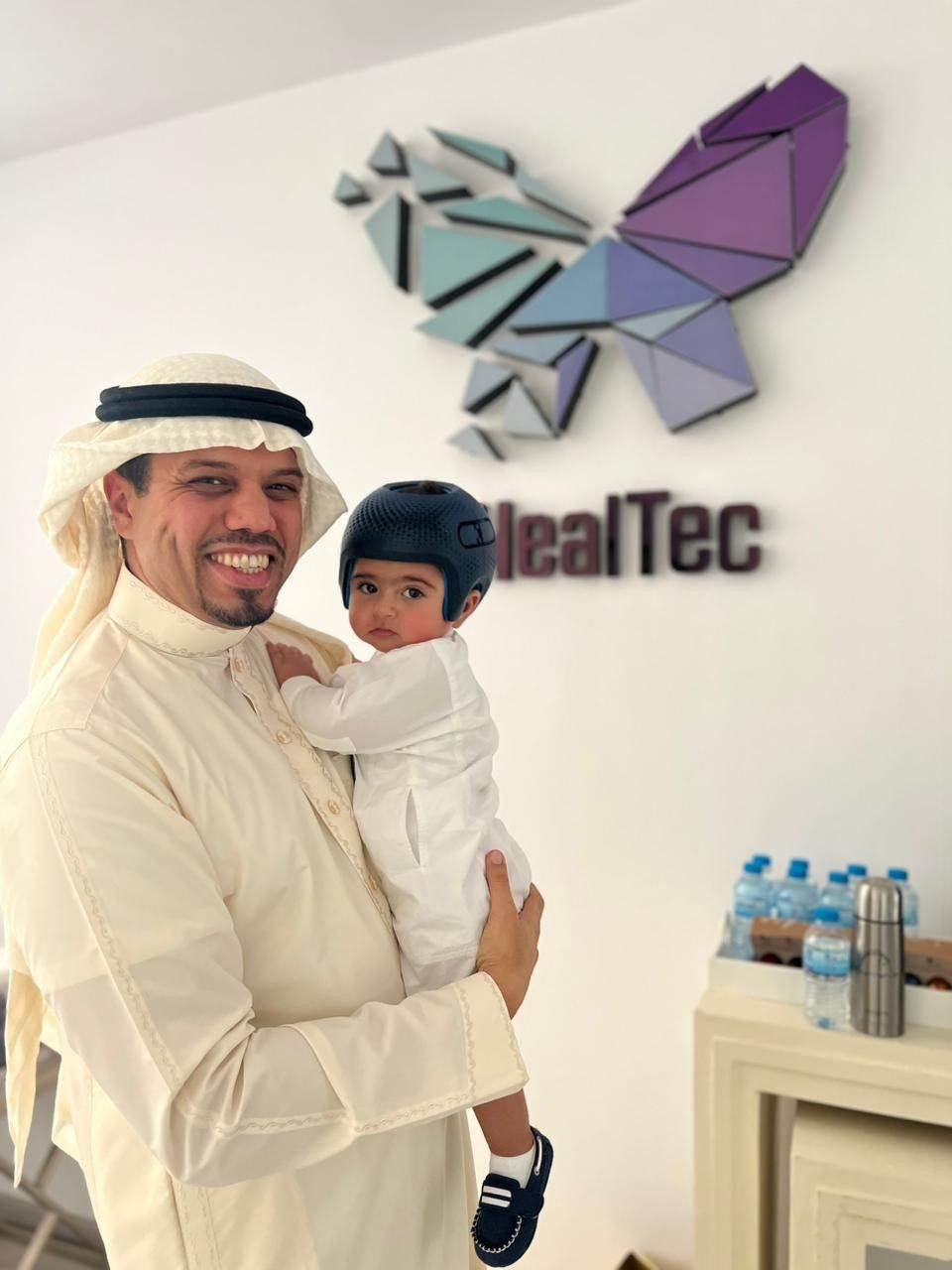
What are your key goals for HealTec over the next five years, both in Saudi Arabia and globally? Our vision is to become the central manufacturing conduit for international P&O brands looking to enter the Saudi market. By adopting a hub-and-spoke model, HealTec will centralize high-tech production to serve a network of regional hospitals and clinics.
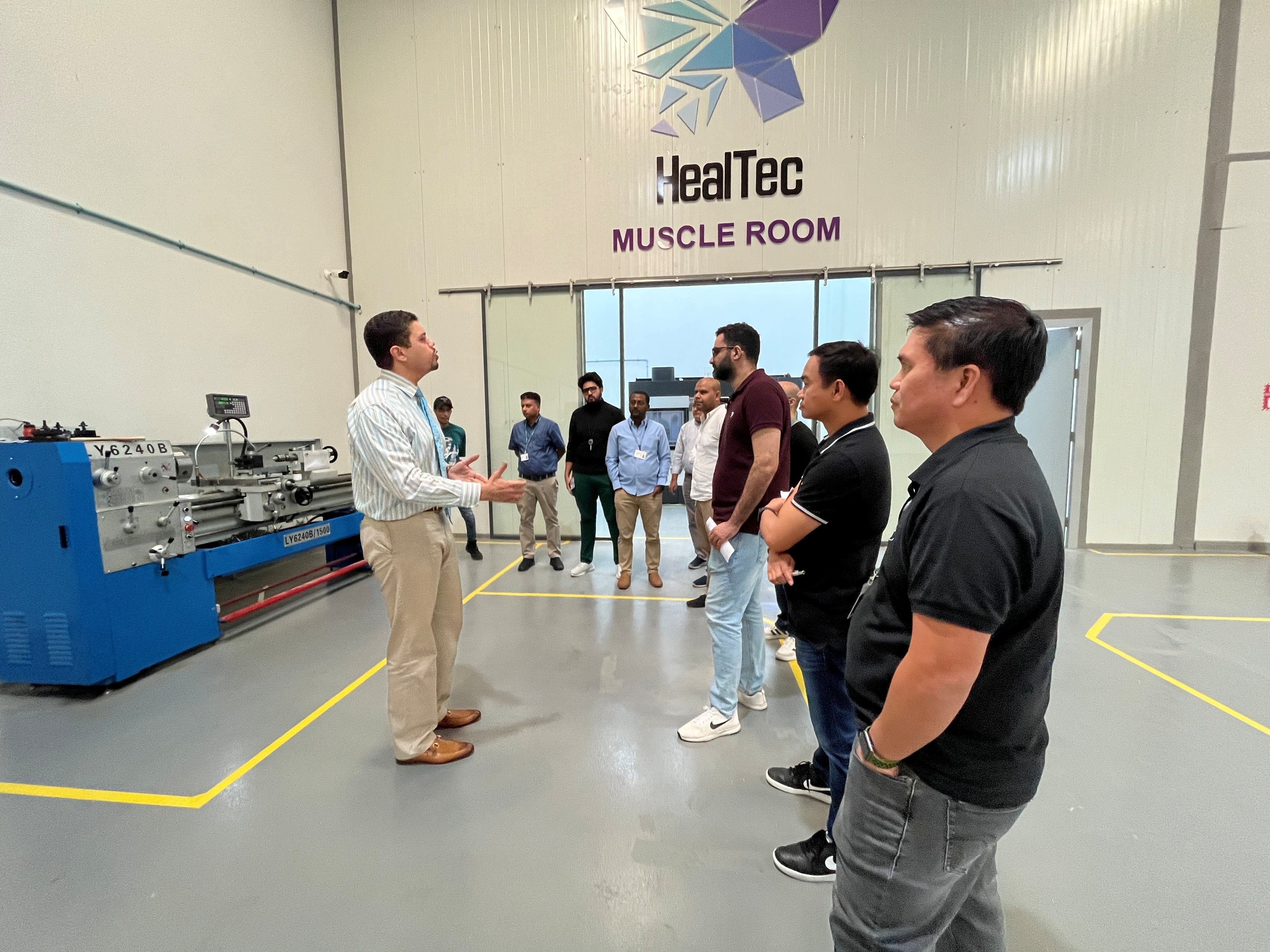
Rather than duplicating manufacturing facilities, we focus on training clinics to digitally capture patient measurements correctly, while we manage centralized production and distribution. This ensures high local content contribution while providing domestic and regional healthcare providers with world-class, Saudi-made medical devices—delivered faster and more efficiently.
What excites you most about the future of health tech in Saudi Arabia?
The potential for global humanitarian leadership. I am eager to see HealTec serve as the manufacturing backbone for the King Salman Humanitarian Aid and Relief Centre (KSrelief).
By producing advanced prosthetics for victims of conflict in regions such as Palestine, Poland, Mauritania, Syria, Yemen, and Sudan, we can export Saudi innovation not just as a product, but as a force for dignity, recovery, and global good.
At the same time, we are working closely with clinicians, government purchasing authorities, and the Ministry of Health to de-risk innovation through trials and gradual adoption—ensuring patient safety and clinician confidence remain paramount.
What advice would you give to entrepreneurs looking to leverage Saudi Arabia’s ecosystem?
I recommend a disciplined, data-driven three-phase approach to localization that balances ambition with execution. The first phase focuses on registration and strategic partnerships, where companies secure SFDA approvals and collaborate with established distributors to understand market dynamics and reach. The second phase is partial manufacturing, which involves identifying high-performing products and localizing around 40% of the supply chain to earn the “Saudi Made” designation. The final phase is full localization, where insights and data from the earlier stages are used to segment the portfolio into imported, partially localized, and fully Saudi-manufactured products. This framework is grounded in real experience—and hard-earned mistakes. Many entrepreneurs fall in love with their solution and overlook cash flow, payment cycles, and entry-to-market strategy. True success in this ecosystem comes from backing passion with incremental, validated scaling.
Want to Get in Touch?
Have something to share or explore within the ecosystem? Let us know how we can help — from adding events and opportunities to discussing partnerships or ideas.
This portal and contact form are fully operated by StartupBlink, the global platform supporting ecosystem growth worldwide.